![CT-Roofing-and-Const[24985]](data:image/svg+xml;nitro-empty-id=MjA1OjI5OQ==-1;base64,PHN2ZyB2aWV3Qm94PSIwIDAgMjIwIDU5IiB3aWR0aD0iMjIwIiBoZWlnaHQ9IjU5IiB4bWxucz0iaHR0cDovL3d3dy53My5vcmcvMjAwMC9zdmciPjwvc3ZnPg== "CT-Roofing-and-Const[24985]")
Inspect and Check
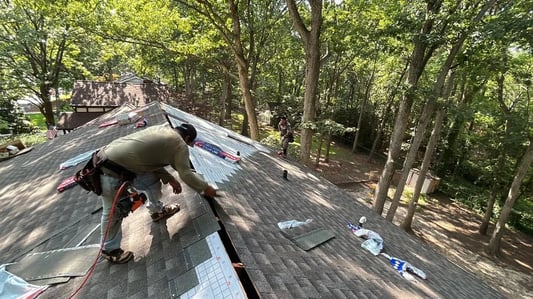
When it comes to starting a roof remodeling project, you need to know what exactly needs to be improved. So, it is essential that you inspect your roof carefully to see if you need to repair a specific part of your roof. You should inspect the outside of your roof by looking at on the ground through binoculars. Check if there is are any missing shingles or any visible damage. You should also go into your attic and inspect the area for any leaks or water damage.Research Materials
One of the most important aspects of a roof renovation is the specific material you will be working with. You want to choose a material that is both highly durable as well as aesthetically pleasing. One of the most in-demand materials on the market right now is asphalt, which is installed on every four out of five homes, according to the Asphalt Roofing Manufacturers Association. Asphalt shingles stand up well to all of the elements and are available in a variety of colors and styles.Focus On Ventilation
An important factor of any roof remodeling project is how your attic is ventilated. You want to make sure that your attic is properly ventilated so that your roof lasts for many years to come. According to the National Roofing Contractors Association, you should have at least one foot of free vent area for every 150 feet of attic floor.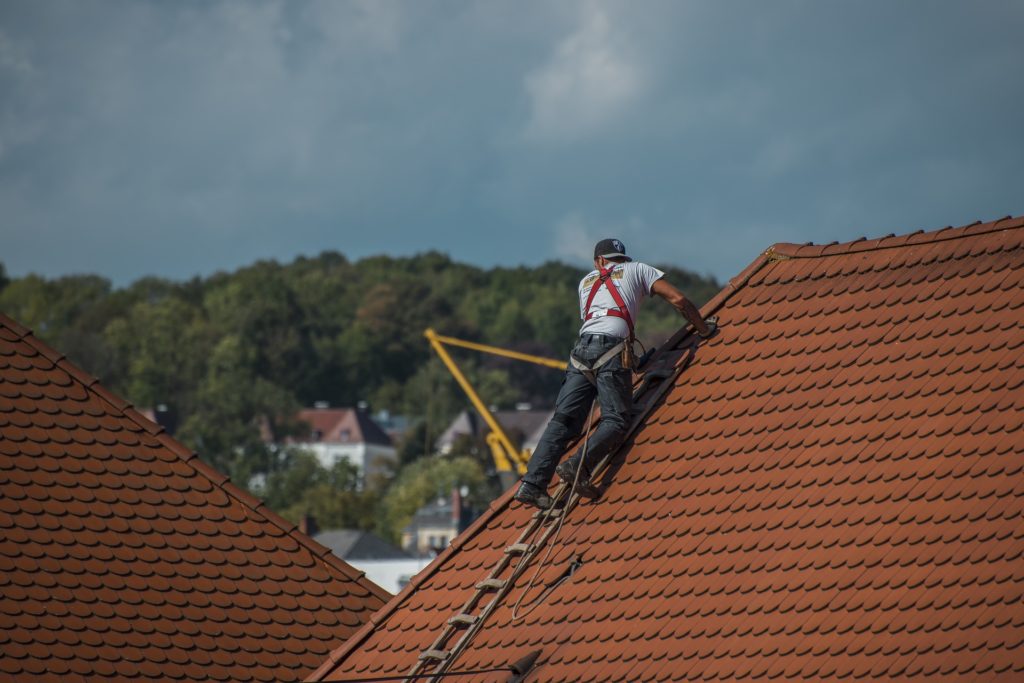
Your roof is one of the most important parts of your house. When functioning properly, it protects the rest of the home from water damage and being exposed to the elements. However, over time, your roof will start to show signs of wear and tear. It is easy to take for granted until it has a major problem, such as water intrusion or rot.
It’s better to be proactive and look for early signs a roof will need replacing to minimize repair costs and risks of injury or property damage. Proper upkeep of your home helps ensure that it stays in good condition to maximize future resale value, and protects you in the meantime. Don’t ignore these seven warning signs that it’s time to replace your roof.
1. Water Damage in the Upstairs or Attic
Moisture marks, brown, yellow, or grey stains, and peeling paint on walls and/or ceilings could all indicate a damaged, leaking roof. Also take a peek in your attic, where damp rafters or leaks could additionally point to roof damage. Although you are the first line of defense when it comes to spotting roof damage, be aware of your limitations. Call in a roofer for a professional inspection once a year. A basic inspection could save you thousands of dollars in roofing repair costs by spotting minor damage before it turns into a major problem. A trained professional also has the tools and safety techniques to get up on your roof and check for damage.2. The Roof Has Outlived its Lifespan
How old is your existing roof? Depending on the material, the lifespan of a roof could be between 20 and 50 years, but it varies by the roofing material.- Asphalt shingles tend to last anywhere from 10 to 20 years in Florida.
- Metal roofs are more expensive but require few repairs and last 30 to 50 years.
- Clay tiles also fare well in Florida and last 40 years on average.
3. The Roof Sags
Sagging is a sign that trapped moisture has rotted away boards under the roof. A droopy, sagging roof is one that surely needs replacing before further damage occurs to your home. Check the surface for signs of trapped moisture, rotting boards, or sagging spots—especially at the lowest points in the roof. A good way to see this is to stand back from your house, perhaps across the street, and look at it from different angles. A home’s roof should appear straight along its lines, so signs of sagging and slumping should be easily noticeable when it occurs.4. Moss, Mold, or Fungi Have Taken Over
Moss, mold and fungi (such as mushrooms) indicate trapped moisture, which can ruin a roof. To do away with moss that collects in shaded corners of your roof, use a stiff brush but be careful to address any underlying problems. If obvious moss remains after brushing, contact a professional to get the roof properly inspected.5. Curling or Buckling Shingles
When shingles start to curl or buckle, it’s a sign that they’re not longer properly attached and have likely already sustained damage. The curved surface can be caught by a strong wind, leading to further damage next time it storms. In some cases, a qualified roof repair company can replace specific shingles, but the problem can signal a larger problem.6. Missing Shingles or Granules
In Florida, strong thunderstorms and hurricanes put a lot of strain on roofs. The extremely high winds often cause shingles to lift or fly off completely. Sometimes you can replace a shingle or two, but the potential for repair depends on the missing shingle’s location and the condition of those surrounding it.7. Missing Flashing, Gutter Guards or Fascia
Similar to shingles, if any of the roof’s supporting structure is cracked or missing, it’s an immediate red flag. Proper support is needed to ensure the roof is structurally sound and will not be at risk of collapse.8. You’re Frustrated by Your Cooling Bills
In Florida, keeping a home cool takes constant energy — sometimes, almost year-round. There are several ways that a good roof can help keep the cool air inside, reducing your energy bills. First, any leaks in the roof can allow air to escape. Second, the color and material of your roof can make a difference. Lighter colored tiles or reflective surfaces like a metal roof help to reflect the hot Florida sun. Adding solar panels to your roof is another great way to save electricity.9. A Roofing Inspection Determines Repairs Aren’t Sufficient
You’ve done your part by having regular inspections performed on your roof, but some damage is beyond a minor fix. If a roofing contractor performs an inspection and finds systemic problems, replacing the roof can be more cost-effective than paying for repeated repairs.Your car needs its oil changed to keep it maintained and running smoothly; the same goes for your roof. I mean, think about it. You invested a lot of money in your roof, so it makes sense to also invest in its long-term health. The best way to do this is to have it periodically checked and inspected. But how often does your roof need maintenance? For over 30 years, Bill Ragan Roofing has helped homeowners maximize their roofs’ lifespans. Because of this, I’ll break down what you need to know about maintaining your roof. This article answers the following questions:- How often does your roof need maintenance?
- How does a roofing contractor maintain your roof?
- How much does roof maintenance cost?
How often does your roof need maintenance?
Depending on the type of roofing material, roof maintenance can be done on an annual, biannual, or quarterly basis. However, I always recommend maintaining your roof at least once a year. You may think that because I’m a roofing contractor, I’m just trying to get you to spend more money. However, maintenance is a crucial component to your roof’s longevity. Don’t believe me? Let’s look at the main reasons why roof maintenance is crucial to your investment.Roof maintenance prevents future problems
The biggest reason why getting roof maintenance is important is that it prevents future problems. It’s the best way to catch a minor issue before it becomes a major and expensive problem. For example, a cracked pipe boot is a common repair that’s simple and inexpensive. However, not catching the leak before it starts can cause $300, $400, or even up to $500 worth of damage to your ceiling. You’re looking at even more expensive damage if there are multiple leaks. You’ll also have to pay for the roof repair and worry about potential mold in your attic from the moisture. Roof maintenance is simply the best way to stay ahead of expensive problems before they start.Roof maintenance maximizes the life of your roof
Your roof was a large investment, so you should want to take care of it to ensure you get as many years as possible out of it. Maintenance ensures your roof’s life is maximized, which means longer protection and more ROI. For example, the most common roofing material in the United States is architectural asphalt shingles. With proper installation and attic ventilation, an architectural asphalt roof should last around 22-25 years. With regular roof maintenance, you’ll reach this lifespan and maybe even a few more past it.Roof maintenance gives you peace of mind
The two reasons we just covered play into a huge benefit of roof maintenance: peace of mind. And just like a properly installed roof and hiring a great roofer, this ensures your peace of mind lasts for decades. Every time you get roof maintenance, your roofing contractor will either catch potential problems or give your roof a clean bill of health. Even if you need repairs, they were caught before they had the chance to become serious. This gives you peace of mind after every maintenance inspection by knowing everything checked out a-okay or problems were caught and taken care of. And the next time a big storm hits, you can sit back and relax because you don’t have to worry about water getting in.How does a roofing contractor maintain your roof?
Now that you know how often you need roof maintenance and why it’s important, are you wondering what’s actually maintained? This is pretty common, especially for skeptical homeowners. Let’s look at what exactly a roofer does while performing roof maintenance.Inspect the overall condition of your roof
The first thing a roofing contractor inspects during roof maintenance is simply the health of your roof. They’ll look for any potential leaks, damage, and the overall condition to ensure it’s fully functioning. And as I said, this is also the perfect time to determine how much time is left until your roof needs to be replaced.Check for failing pipe boots
Pipe boots are the neoprene (synthetic rubber) flashing around the plumbing or vent pipes that come through your roof. Over time, cracks form that allow water to follow the pipe into your home. This is actually one of (if not the most) common roof leaks in residential roofing. During roof maintenance, all pipe boots are checked and replaced if needed.Remove sitting debris on your roof
One of the most important pieces of roof maintenance is removing sitting debris, especially in roof valleys. When leaves, sticks, or other debris build-up, a literal dam forms on your roof. This causes water to back up, get under the shingles, and leak inside your home. Sitting debris also becomes oversaturated the longer it’s left to sit, which damages and shortens the lifespan of the shingles below.Look for signs of animal intrusion
Your attic is the perfect safe place for squirrels, raccoons, and other small animals. They can severely damage your home by causing a leak, chewing on the electrical wiring, and creating a biohazard with their waste. Unfortunately, animals usually access your attic through your roof by creating large holes. That’s why roof maintenance is the best way to catch the problem early and add protections to prevent animal intrusion.Ensure your roof vents are functioning properly
Your attic’s ventilation system and its roof vents are crucial to a roof’s lifespan. If your attic isn’t vented properly, your roof will fail prematurely, your energy bills will increase, and health hazards like mold can thrive. During roof maintenance, the roofing contractor will check to ensure the vents are fully functioning and there are no blockages.Inspect your roof flashing
Roof flashing is a thin metal material installed to direct water away from areas where shingles butt up against something (walls, chimneys, valleys, etc.). It’s one of the most crucial roofing components to prevent water from getting into areas prone to leaks. Your roofing contractor will check for rusting, damage, or installation issues. This is especially important when considering how much water leaks into your home’s interior from failed or damaged flashing.How much does roof maintenance cost?
Now to the not-so-fun part of roof maintenance: the cost. Every company is different, but roof maintenance generally costs anywhere from $120 to $400. Where you’ll fall in the price range depends on the size, accessibility, and complexity of your roof. This looks costly on the surface, but most roofing companies offer maintenance programs that include yearly roof inspections, and some include certain repairs in the price. On top of that, they come with other perks, like discounted repair rates, gutter cleaning, and more. So, while roof maintenance comes at an expense, it’s well worth the investment.How do you find a reputable roofer to maintain your roof?
After reading this article, you should understand the importance of roof maintenance. Remember, you spent a lot of money on your roof. So, it just makes sense to take care of it like any other investment. But you also need the right person to take care of it. That’s why you need to know how to find a reputable roofer you can trust to maintain your roof and maximize its potential.What does this mean for your roof? You need protection year-round. The critical considerations for a Texas roof are durability and temperature resistance. You need a roof that can survive harsh winds and impacts while keeping your home cool all summer long. The best roofing material for Texas homes will keep the heat out and stay intact, even in extreme weather.BEST ROOFING MATERIALS FOR TEXAS HOMES
Your home’s roof is one of your first defenses against the elements. For a roof that keeps your home cool and resists heavy winds and wildfire, you need a reliable roofing material. Clay, metal and slate are all designed to outlast many other kinds of roofs. They stay in place during high-speed winds and remain intact after heavy impacts. At the same time, they are easy to maintain and perfect for giving your Texas home a unique style.
1. CLAY
Clay is a popular choice for keeping homes cool in hot and coastal regions. The tile shape allows for fantastic airflow. The increased circulation insulates your home, which keeps cold air inside and hot air outside. Clay is also an incredibly durable building material.
Because it undergoes baking, it has an inherent rigidity and strength and is known to last against years of harsh sun exposure. Clay tiles won’t rot or corrode over time and are naturally fire-resistant. Their weight can resist wind speeds of up to 100 miles per hour (mph).
Clay tiles are a traditional roofing material used for hundreds of years in southern Texas and Mexico. The natural, brownish-red color of terra cotta tiles fit right in on historic Texan homes. They also come in numerous colors that can match any architectural and design preferences. Their distinct shape adds dimension and style to any home. The curved tiles and overlapping pattern is a recognizable classic in the region, no matter the color.
Most clay tiles are guaranteed to last 30 years, although some homeowners see them last upwards of 50-75 years. If you occasionally change the waterproof underlayment, clay shingles can even last a lifetime. They’re also easy to maintain. If a tile breaks or goes missing, your roofer can replace individual ones without tearing up sections of your roof. With the occasional cleaning to remove debris from the slots, clay tiles can last for years in any climate.
2. METAL
Another popular option for sunny regions, metal’s reflective surface keeps your home cool even in the hottest months. By reflecting the sun’s rays, copper and other metals can make your home more energy-efficient. You’ll stay cool all summer without overworking the HVAC system.
For weather protection, metal offers a non-porous waterproof solution. Its incredible strength and durability resist impacts from hail and debris. Metal panels can withstand heavy winds of up to 160 mph.
Copper roofing can last 50 years or more. Like clay, metal is naturally fire-resistant and cannot rot, and pests cannot penetrate its surface. Copper’s reddish tint changes to a stately green with time. Both new and old copper have an unmatched aesthetic that complements your home’s elegant design. It’s a lightweight, malleable metal perfect for intricate patterns and ornamentation, making a statement on any luxury estate.
3. SLATE
Slate is known to cool quickly and heat slowly. Because of its high density, only the side of the rock exposed to heat will warm up. Slate prevents significant fluctuation in temperature, which saves you on your cooling costs in the summer. Like clay, it has natural insulating properties. Slate comes in a range of colors, and lighter earth tones reflect harsh sunlight to keep your home comfortable.
Slate is a naturally occurring material, so manufacturers shape it into roofing tiles. Each slate roof is unique due to natural variations in color. You can choose from multiple tile sizes, thicknesses and colors to create a mosaic on your roof. Slate serves as a traditional roofing material that looks great on both historic and contemporary homes. As it ages, small pieces chip away from the edges, revealing the durable base and attractive weather-worn elegance.
As a hardened mineral, slate has natural durability. It’s water-resistant, and slate roofs are less prone to leaking than other kinds. Rock is also fire-resistant, making it perfect for protection against Texas wildfires. The material has been known to last up to 100 years or more. Because of its strength, old slate can be repurposed into new roof shingles. Should one go missing, a roofer can easily replace it.
TRENDS FOR ROOFING IN TEXAS
If you’re looking for a modern, unique look for your home, look no further than clay and thatch. These materials give your house an unmistakable appearance to stand out from the rest of the neighborhood.
CLAY
Because of its historical popularity in the area, a clay tile roof does more than look attractive — it looks distinctly Texan. Whether you have a historic home or are hoping to reflect the local color, terra cotta is a trend with staying power. When you choose terra cotta tiles, you have access to various textures. All our terra cotta tiles are handmade for an appeal you cannot get from manufacturing. You can choose from flat and barrel tiles.
You can also opt for clay tiles in numerous colors. For added heat protection, a lighter color such as white or gray will reflect more sunlight. By using clay tiles in several colors and textures, you can pay homage to traditional Texas architecture while adding a unique appearance. Set your home apart from your neighbors with trendy yet timeless clay and terra cotta tiles.
THATCH
If you live along the Gulf of Mexico, a synthetic thatched roof can give your property a definitive coastal flair. Traditionally, thatching was a roofing technique that involved layering dried reeds, straw or grass onto a home’s roof. Because of the thatching’s beachy appearance, it’s one of the best roofing materials for south Texas.
This trend looks great on waterfront properties and pool houses alike. You can select from several styles in synthetic Endureed, which is nearly indistinguishable from natural materials. Synthetic thatching boasts a Class A Fire Rating, with fibers that last 50 years or more and perform well in high heat — or any other climate.
CHOOSE THE RIGHT MATERIAL AND A TRUSTED CONTRACTOR
When you need a roof that can withstand the heat and hazardous weather Texas is known for, you need the highest-quality materials and an experienced roofing professional. We excel at installing unique roofing materials such as clay, copper, slate and thatch. We’ll source the appropriate shingles for your area’s climate, design an attractive exterior and install a roof built to last.
Whether you’re a homeowner or a business owner, your property’s roof plays a vital role in protecting your investment. That’s why it’s so crucial for you to turn to a professional roofing contractor whenever you need roofing services, such as repairs or replacements. Here are the key reasons why partnering with experts from reputable local roofing companies can make a significant difference:1. Expertise & Experience
Professional roofing contractors bring years of experience and in-depth knowledge of various roofing systems to the table. Their expertise ensures accurate assessments, precise repairs, and quality installations that stand the test of time. Plus, these companies often have a longstanding reputation of excellence in the area they serve.2. Quality Materials & Workmanship
Reputable roofing companies source high-quality materials from trusted suppliers and manufacturers and ensure that materials are installed correctly to maximize their longevity and performance.3. Safety
Roof replacements or repairs can be dangerous, so it’s important that you partner with a professional roofing contractor that has the proper training and safety equipment.4. Peace of Mind
Hiring a professional roofing contractor should grant you better peace of mind, as you can feel confident that your roofing project is in capable hands. You can trust experts to deliver top-notch results, leaving you worry-free about your property’s protection.As a homeowner, you know that the roof over your head is one of the most essential features of your home. It protects you and your loved ones from the elements, including heat, rain, snow, wind, and extreme temperatures. However, because life is full of so many pressing needs, many homeowners don’t give their roof the attention it deserves until something goes wrong. That’s where a roofing contractor comes in.What Is a Roofing Contractor, and What Do They Do?
A roofing contractor is a professional who specializes in repairing, installing, and maintaining roofs. These professionals have the expertise and experience to work with a wide range of roofing materials. But a roofing contractor’s job is more than just fixing leaks and replacing damaged shingles. These professionals ensure your roof is structurally sound and can withstand the elements. A roofing contractor plays a few essential roles in keeping your shelter secure.Inspection

Repair and Maintenance
Once your roofing contractor has identified any issues with your roof, they will recommend the appropriate repairs or maintenance. They may need to replace damaged shingles, seal any cracks, or apply a new protective coating layer to your roof. Regular maintenance is essential to prolonging the life of your roof and preventing problems from occurring in the first place. Your roofing contractor may recommend regular gutter cleaning, tree trimming around your roof, and regular inspections and maintenance to ensure your roof stays in top condition.Roof Replacement
Sometimes, a roofing contractor will find that there are so many necessary repairs that a roof replacement is in order. A roof replacement is a significant investment for any homeowner. It involves removing the old roof and installing a new one. Because of that initial investment, some homeowners question whether they can tackle a roof replacement as a DIY project. This is not advisable for several reasons.Technical Skills and Experience
Replacing a roof requires technical skills and experience. A roofing contractor has the training and expertise to safely and efficiently replace your roof. They understand the materials needed for different roofing styles and can evaluate your roof’s condition to determine the most suitable options for your home’s needs.Access to Tools and Equipment

Installation
A roofing contractor is essential to build a new home or replace your existing roof. They will help you choose the right type of roofing materials for your home based on numerous factors, including structural necessity, your budget, the climate in your area, and your aesthetic preferences. Once you’ve selected your roofing materials, the contractor will install your new roof, ensuring everything is up to code, properly sealed, and waterproofed.Warranties and Insurance
A reputable roofing contractor provides warranties and guarantees that give you peace of mind, knowing your new roof is protected. The warranties that are offered cover products and workmanship. Additionally, a licensed and insured roofing contractor protects you and your property in case of any accidents or damages during the replacement process.Quality Assurance
A roofing contractor will inspect and ensure all materials are installed correctly and to the manufacturer’s specifications, resulting in better-quality roofing. This leads to the longevity of the roofing material, saving you money in the long run.Roofing contractors can typically provide various services to their customers, most of which are roof-related issues, but many also give extra assistance for convenience. The services will vary depending on whether your chosen professional specializes in residential roofing, commercial roofing, or both. Roofing contractors oversee the whole operation of roof installation from start to finish, much like general contractors handle a large team of specialized professionals throughout a ground-up building project. Roofing contractors not only supervise the tasks on your project but also help guide it through the permits and inspection stages. Here are the types of services your roofing contractor may provide for you and some more information that you may find fascinating:Project Management
Your roofing project may require multiple teams to finish. There will be personnel who will replace your old roof and transport it off, and roofers who will place the new roofing surface. These professionals will not work unless someone orders the necessary supplies and schedules their delivery on time. The roofing contractor is effectively a project manager who organizes and controls every aspect of the installation process, from planning, and procurement of materials, to managing the skilled worker you hire and ensuring that you hit all project milestones.Installation
Proper installation is the most crucial element of a roofing project. Your roofing contractor will ensure that personnel utilizes the correct materials and complete the installation according to industry best practices. The contractor will function as your spokesperson and middleman, ensuring that the roofing installation is according to your specifications and that you are happy with the outcome.When it comes to roof installation or repair, homeowners want the assurance that the job will be done right the first time. That’s where the expertise of an experienced roofing company comes into play. With their knowledge and track record of successful projects, they bring a level of confidence and peace of mind that is invaluable. In this blog, we will explore the benefits of working with an experienced roofing company, including:- Their installation knowledge
- Having a longstanding reputation
- Having higher quality materials
- Getting a more cost-effective product
- The strength of their warranties
- Their understanding of safety requirements
- Plus, other things to look out for